MS-CRE Innovation Awards
About the awards
The Multiple Sclerosis Centre of Research Excellence (MS-CRE) Innovation Awards support new and innovative research ideas that have the potential to accelerate progress towards better treatments and outcomes for people living with multiple sclerosis. The awards provide researchers with an opportunity to explore promising concepts, establish new collaborations and generate the evidence needed to advance future research.
By encouraging innovation, interdisciplinary collaboration and research translation, the awards help turn promising ideas into meaningful outcomes for people living with MS.
The Innovation Awards form part of the MS-CRE's broader commitment to supporting research excellence, developing future research leaders and accelerating discoveries that will help make MS a disease without disability.
2026 award recipients
Introducing our 2026 MS-CRE Innovation Award recipients Dr Angela Nicoli and Dr Shwathy Ramesan.
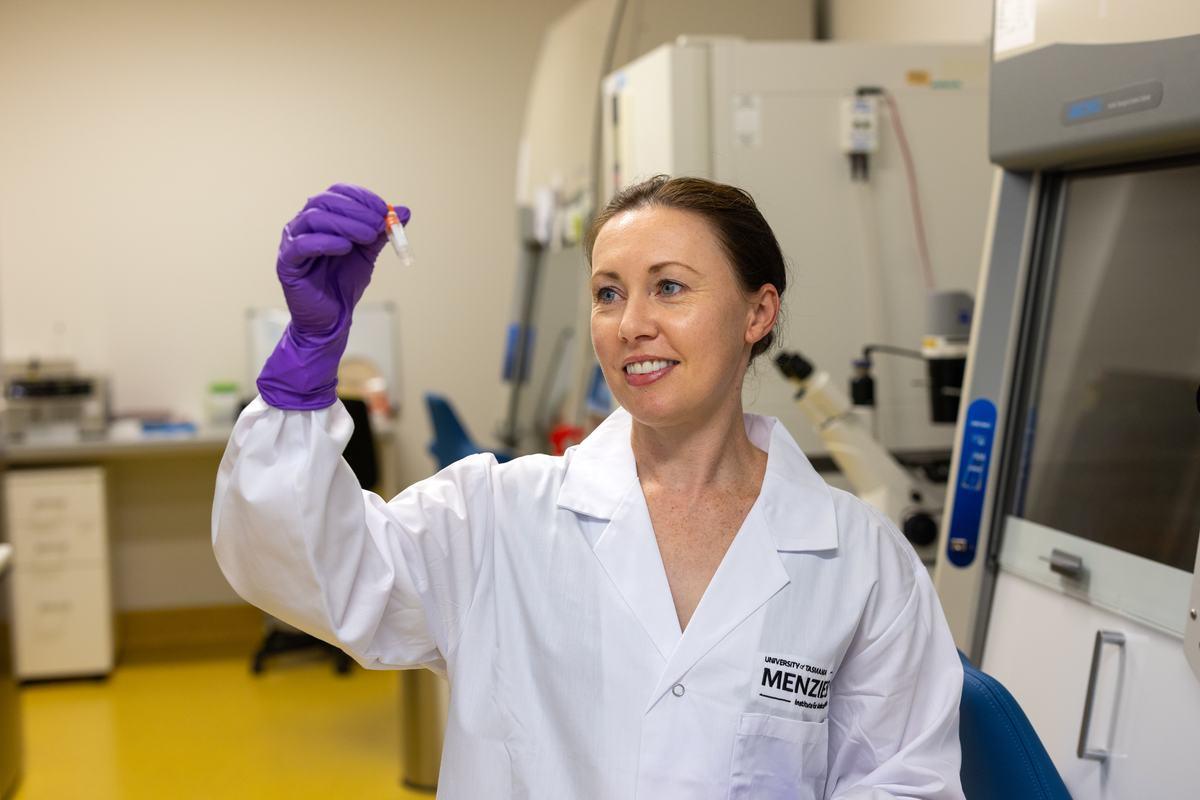
Dr Angela Nicoli
Are neurons more vulnerable in people with progressive MS?
Dr Angela Nicoli from the MS Research Flagship at Menzies received an MS-CRE Innovation Award to investigate whether neurons in people with progressive MS are inherently more vulnerable to damage.
Disability progression in MS occurs when neurons die, and this is usually thought to result from inflammation and damage in the brain caused by the immune system. But it remains unclear whether neurons may also be affected by MS-related genetics from the outset.
Dr Nicoli will use stem cells generated from blood cells donated by people with and without progressive MS and turn them into neurons in the laboratory. She will then compare patterns of gene activity between the two groups to determine whether MS-associated genes directly alter how neurons function.
The findings may reveal previously unrecognised biological pathways involved in disease progression and help identify new targets for treatments aimed at slowing or preventing disability in MS.
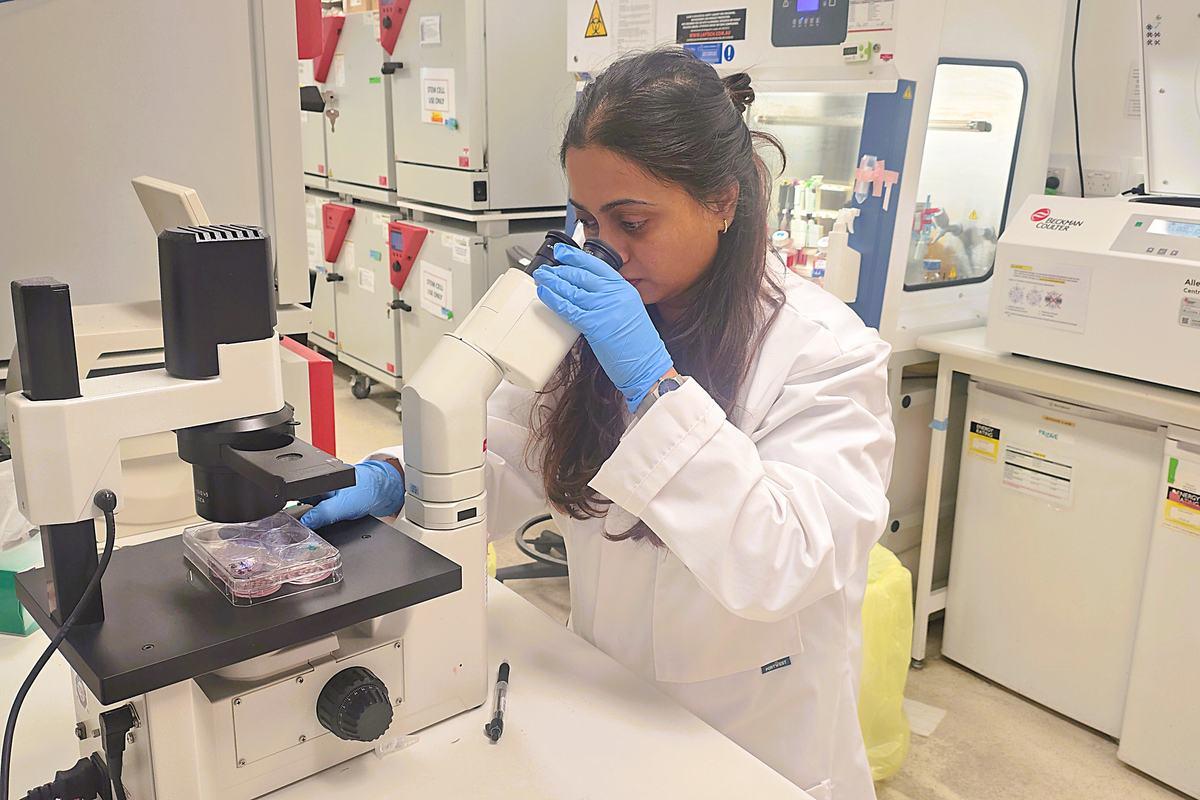
Dr Shwathy Ramesan
Can sound help the brain repair itself?
Dr Shwathy Ramesan from the Florey Institute of Neuroscience and Mental Health received an MS-CRE Innovation Award to find out whether sound can help the brain repair itself.
In MS, the protective myelin coating around nerves is damaged, and the brain's natural repair process often fails. One reason may be that damaged areas become either softer or stiffer than healthy tissue, creating an environment that makes repair more difficult.
In work recently published in Nature Neuroscience, Dr Ramesan and the Florey’s Associate Professor Samantha Barton showed that human stem cell "mini-brains" can model myelin loss, debris clean-up and repair. Dr Ramesan will now use this model to test whether high-frequency sound vibrations can activate repair pathways and improve myelin regeneration. The findings could help lay the groundwork for new approaches to repairing damage in MS.
Innovation award archive
Look back on our previous award winners and their projects in our MS-CRE Innovation Award Archive.