MS-CRE leadership team
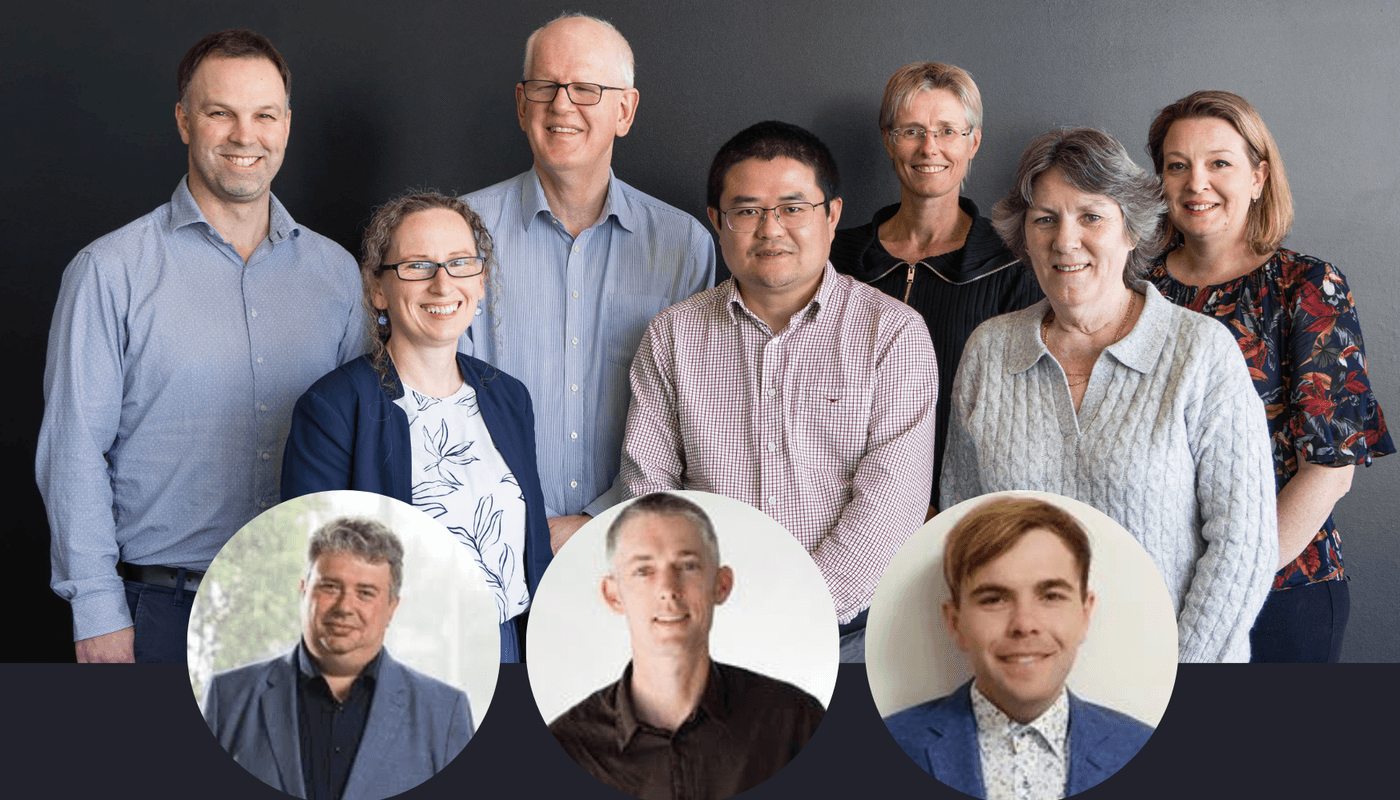
The team
The Multiple Sclerosis Centre of Research Excellence (MS-CRE) team is led by Professor Kaylene Young in partnership with nine chief investigators, pictured above.
(L-R front row) - Professor Kaylene Young, Dr Yuan Zhou, Ms. Chris Gumley.
(L-R back row) - Associate Professor Brad Sutherland, Professor Bruce Taylor, Professor Ingrid van der Mei, Ms. Natasha Stevens.
(L-R front insert) - Professor Leonid Churilov, Associate Professor Jake Gratten, Dr William Reay.
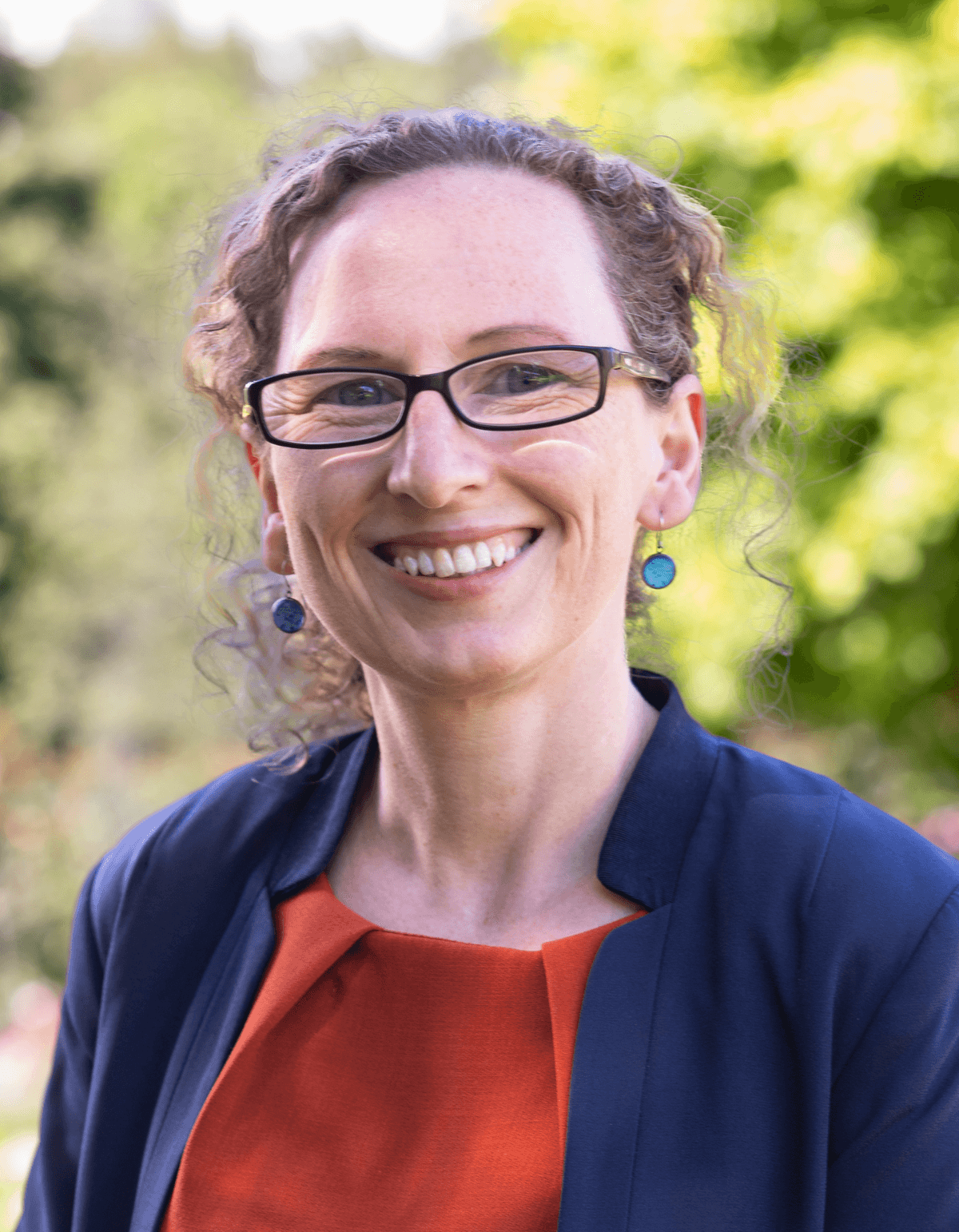
Professor Kaylene Young is Deputy Lead of the MS Research Flagship and leads its laboratory research program. Kaylene’s team studies immature stem cell populations in the brain. It aims to learn what regulates brain cell birth and maturation and use those signals to direct cell regeneration in the adult central nervous system. Kaylene’s groundbreaking research revealed that immature cells called OPCs naturally make new myelinating (insulating) oligodendrocytes in the mature brain. In preclinical studies, her team found that non-invasive magnetic brain stimulation could increase the number of new oligodendrocytes added to the brain. This research formed the basis of TAURUS 2, the current phase 2 clinical trial assessing the efficacy of magnetic brain stimulation in people with MS.
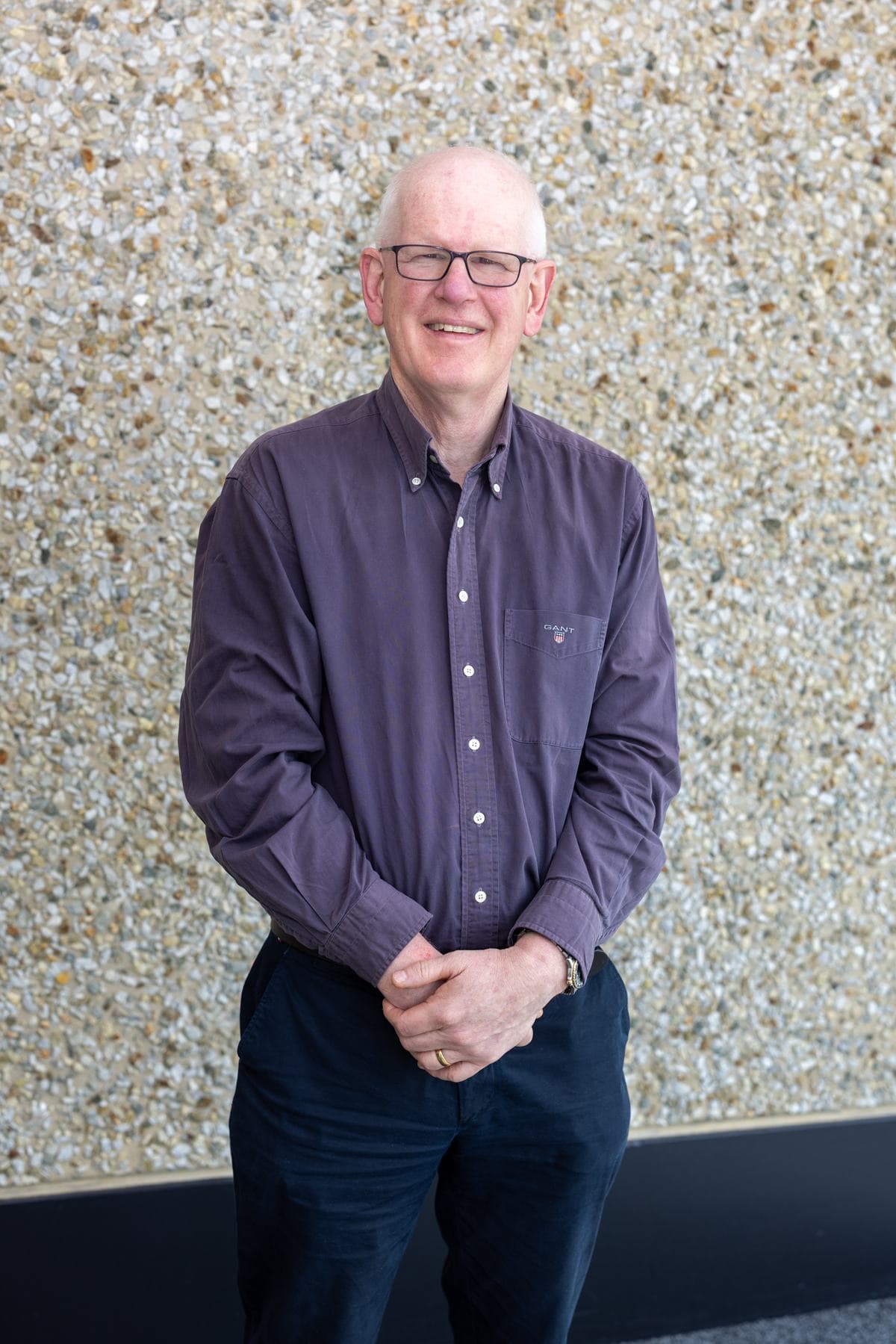
Professor Bruce Taylor is a professorial research fellow at the Menzies Institute for Medical Research. He is the academic lead for the MS Research Flagship program and the Understanding MS massive open online course. Bruce's principal areas of research include the personal, clinical and genetic factors that are associated with the onset and progression of MS. This involves the development of complex cohort studies and gene environment interaction studies. This body of research has resulted in a unique set of research skills, including significant experience in the development of large, multicentre cohort studies of MS and clinical and genetic MS research.
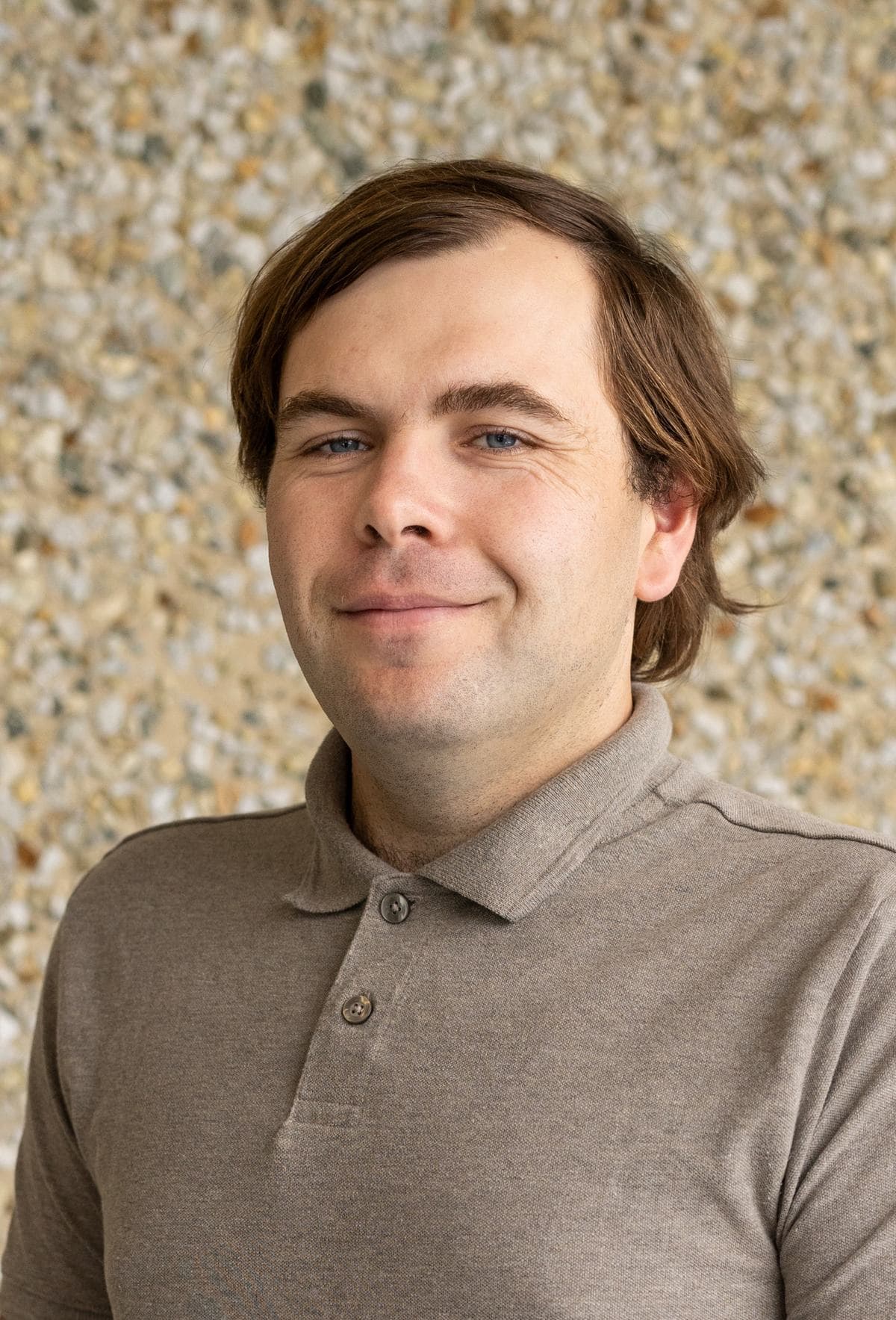
Dr William Reay is a senior research fellow at Menzies Institute for Medical Research and leads a research group focused on using genomics to improve treatment for complex disorders with both drugs and non-drug methods (e.g. diet). His group focuses on applying these approaches to MS, motor neurone disease, and mental health conditions. As the research lead of the Menzies MS Centre for Research Excellence’s Therapeutic Development Objective, William and his team are using large-scale genomic datasets to shortlist existing drugs to combat MS progression that, in combination with innovative laboratory based testing approaches, can be accelerated towards clinical trial.

Professor Ingrid van der Mei is a leading epidemiologist at the Menzies Institute for Medical Research, University of Tasmania. Ingrid's work focuses on trying to slow MS progression and improve the quality of life for people with MS. She has expertise in conducting, managing and analysing large epidemiological studies and is the managing director of the Australian MS Longitudinal Study. Ingrid takes advantage of digital health technologies to improve how people interact with their health information and the way their health is monitored. The aim is to improve both clinical care and self-care of people with MS.
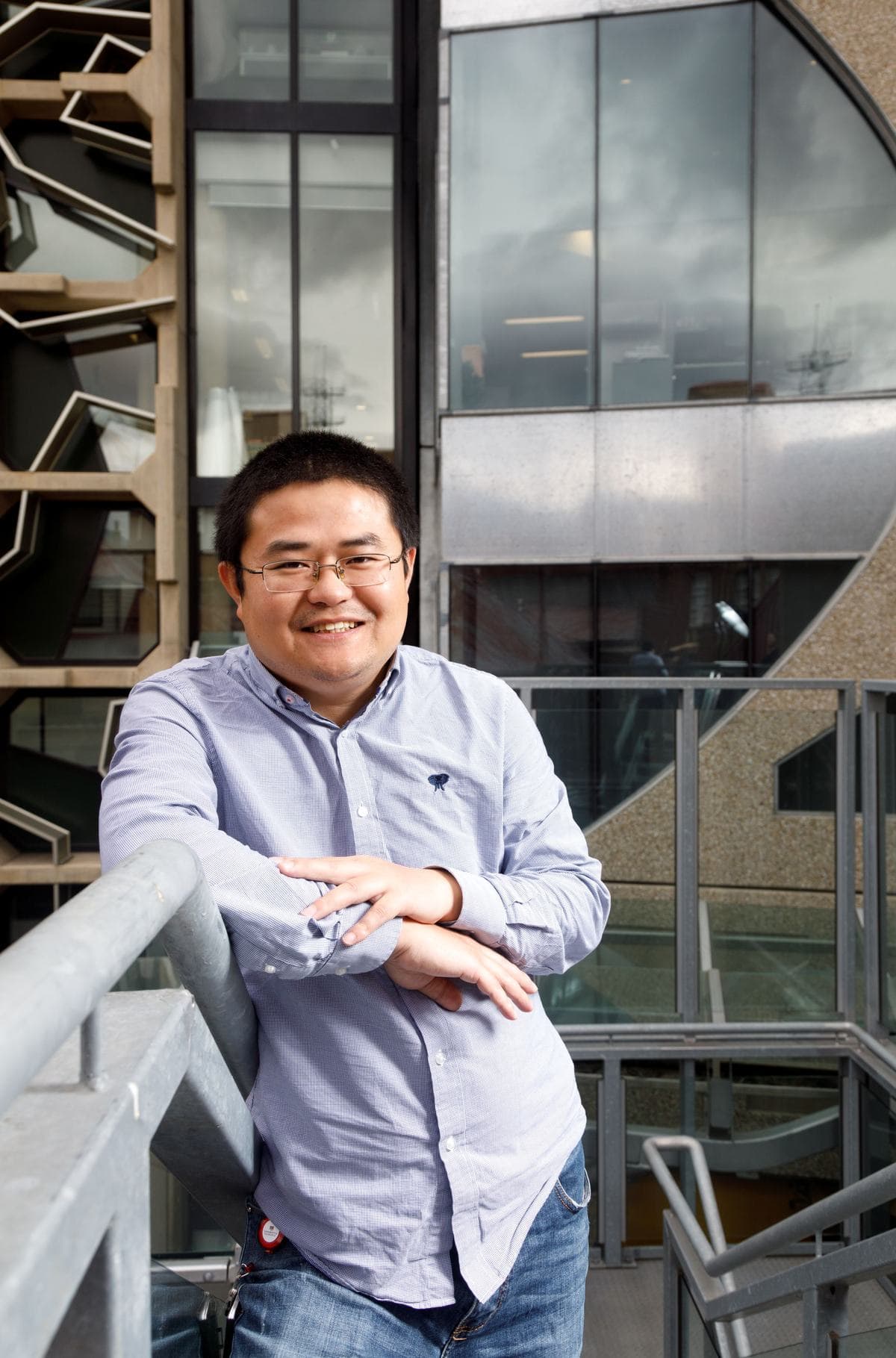
Dr Yuan Zhou is a senior research fellow at the Menzies Institute for Medical Research. He leads a MS multi-omics research program within the MS Research Flagship. Yuan’s research program leverages large-scale biological and clinical datasets to systematically map the molecular landscape of MS through two integrated research themes: multi-omics integration and Epstein–Barr virus biology. The goal of this work is to translate the findings to enable earlier diagnosis, more accurate prognosis, and personalised treatment strategies for people living with MS.

Professor Brad Sutherland is a Professor in the Medical Sciences Program of the Tasmanian School of Medicine. His main research interests focus on the regulation of the microvascular system, how it is controlled at the cellular and molecular level, and how this becomes dysfunctional in diseases such as stroke, dementia and multiple sclerosis. He also teaches Neuroscience and Physiology into a number of units as part of the BBiomed and BSc degrees.
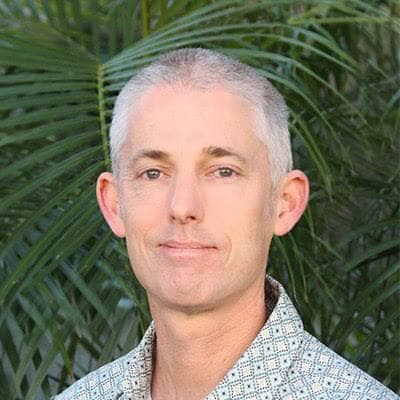
Professor Jake Gratten is a National Health and Medical Research Council (NHMRC) Career Development Fellow and an Honorary Senior Research Fellow at the Institute for Molecular Bioscience (IMB), The University of Queensland. He leads the Cognitive Health Genomics group at Mater Research. Professor Gratten performs research on the genomics of neurodevelopment and neurodegeneration and aims at improving our current understanding of the causes of psychiatric and neurological disorders, such as autism, schizophrenia and Parkinson’s disease, through innovative analysis of the information encoded in patient’s genomes.
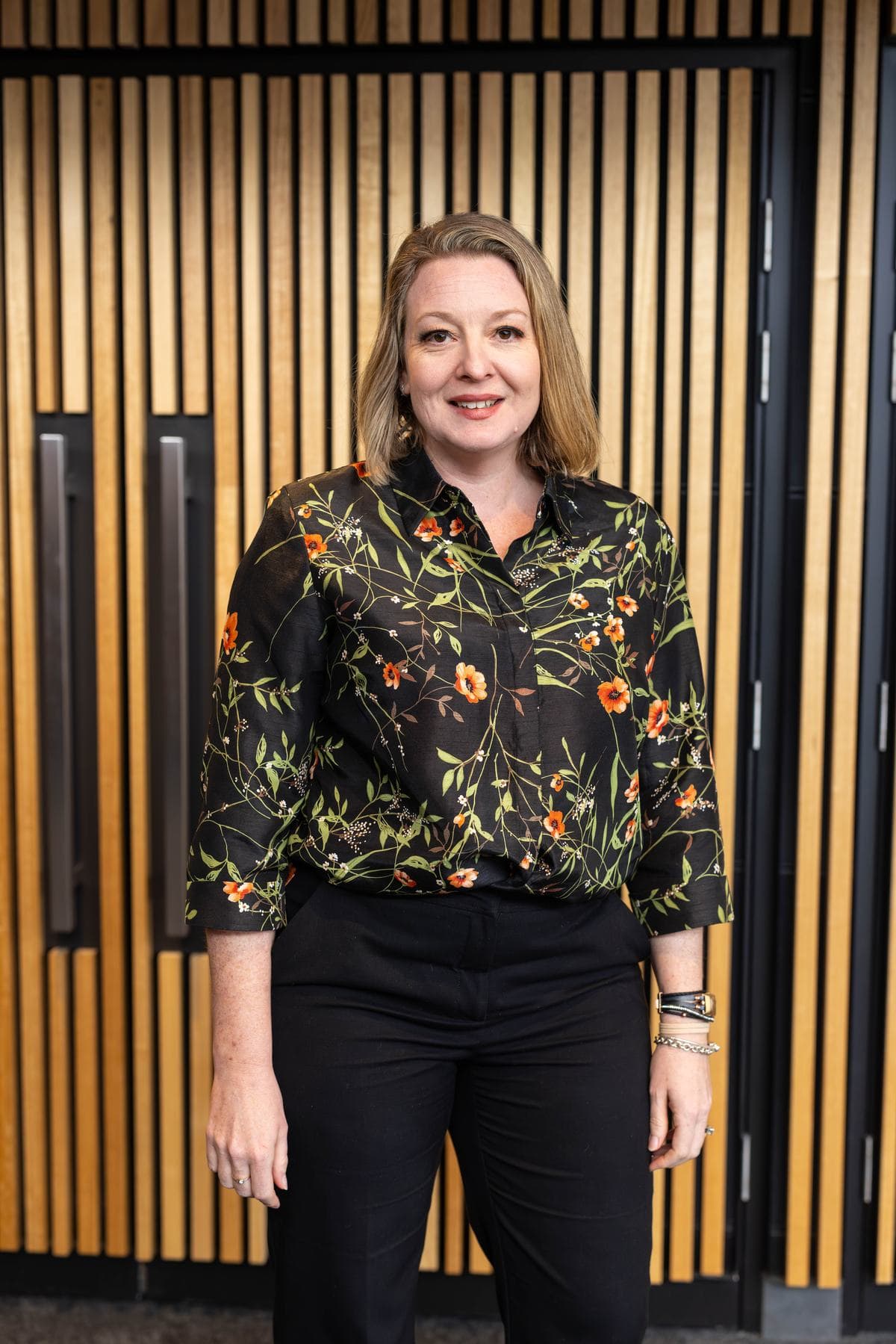
Natasha Stevens is senior program manager for the MS Research Flagship at the Menzies Institute for Medical Research. She leads the Flagship’s strategic operations, chairs the leadership group and operations team, and manages governance committees. Natasha has 15 years’ experience in senior research management roles across Australia and the UK, and 25 years’ experience in clinical trial management and operations. Her interests include consumer and community involvement (CCI) in research, clinical trial methods, research translation and impact. Natasha played a key role in moving transcranial magnetic stimulation (rTMS) preclinical work at Menzies into phase I and II clinical trials and led the development of Menzies’ CCI policy and strategy in 2021.
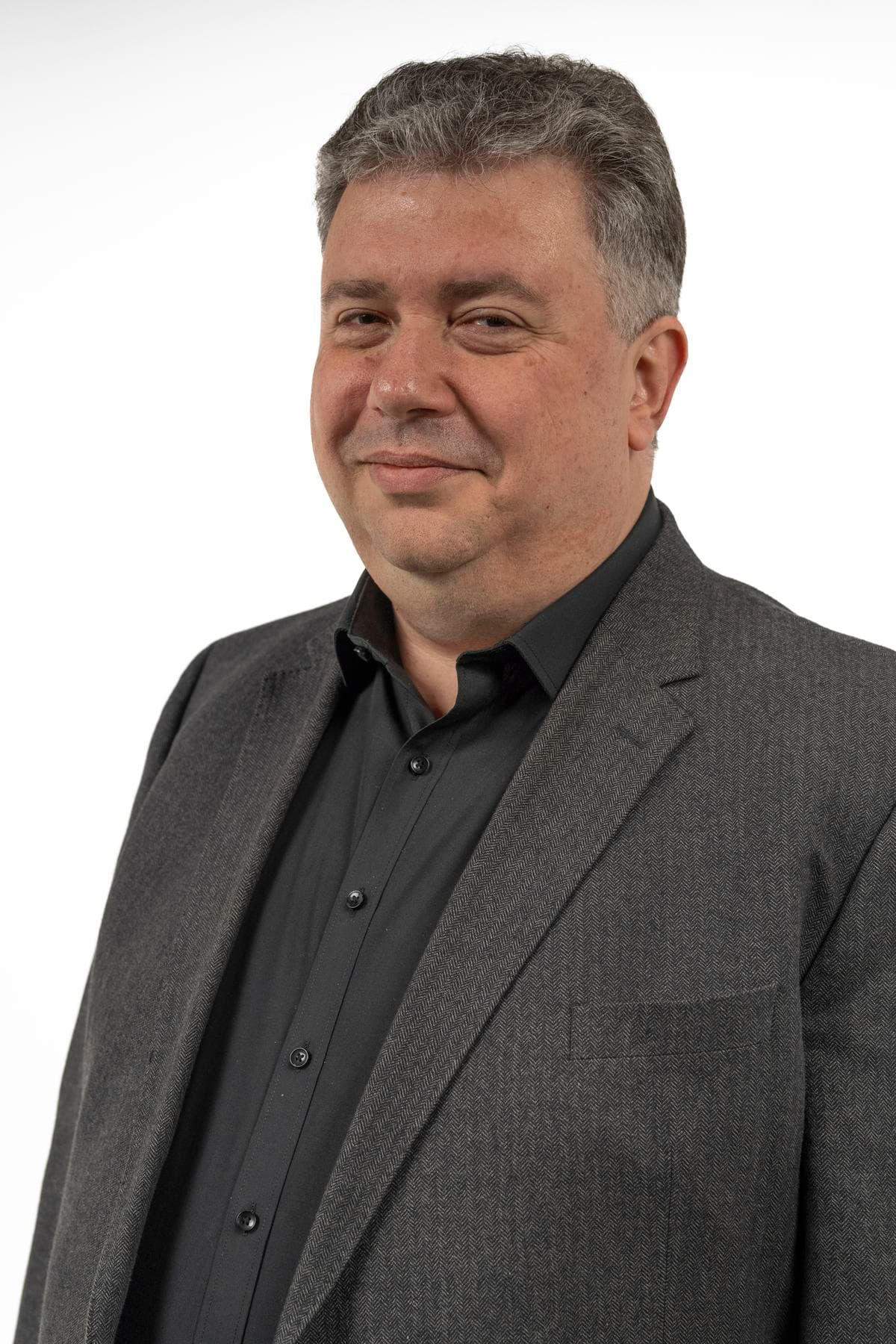
Professor Leonid Churilov is Professor of Biostatistics at Melbourne Medical School, University of Melbourne. Prof Churilov is an internationally recognised expert in the use of health analytics and statistical modelling for decision support in clinical and health care systems. The outcomes of Professor Churilov's work have informed changes in clinical guidelines both in Australia and overseas. In his current role, Prof Churilov contributes biostatistical, health analytics, and decision modelling expertise to several large international clinical trials and to a number of smaller pre-clinical, clinical, imaging, and service evaluation studies. He is the Head of Biostatistics and Optimisation Platform for Australian Stroke Alliance and leads biostatistical platform for the Australian Centre for Accelerating Diabetes Innovations.
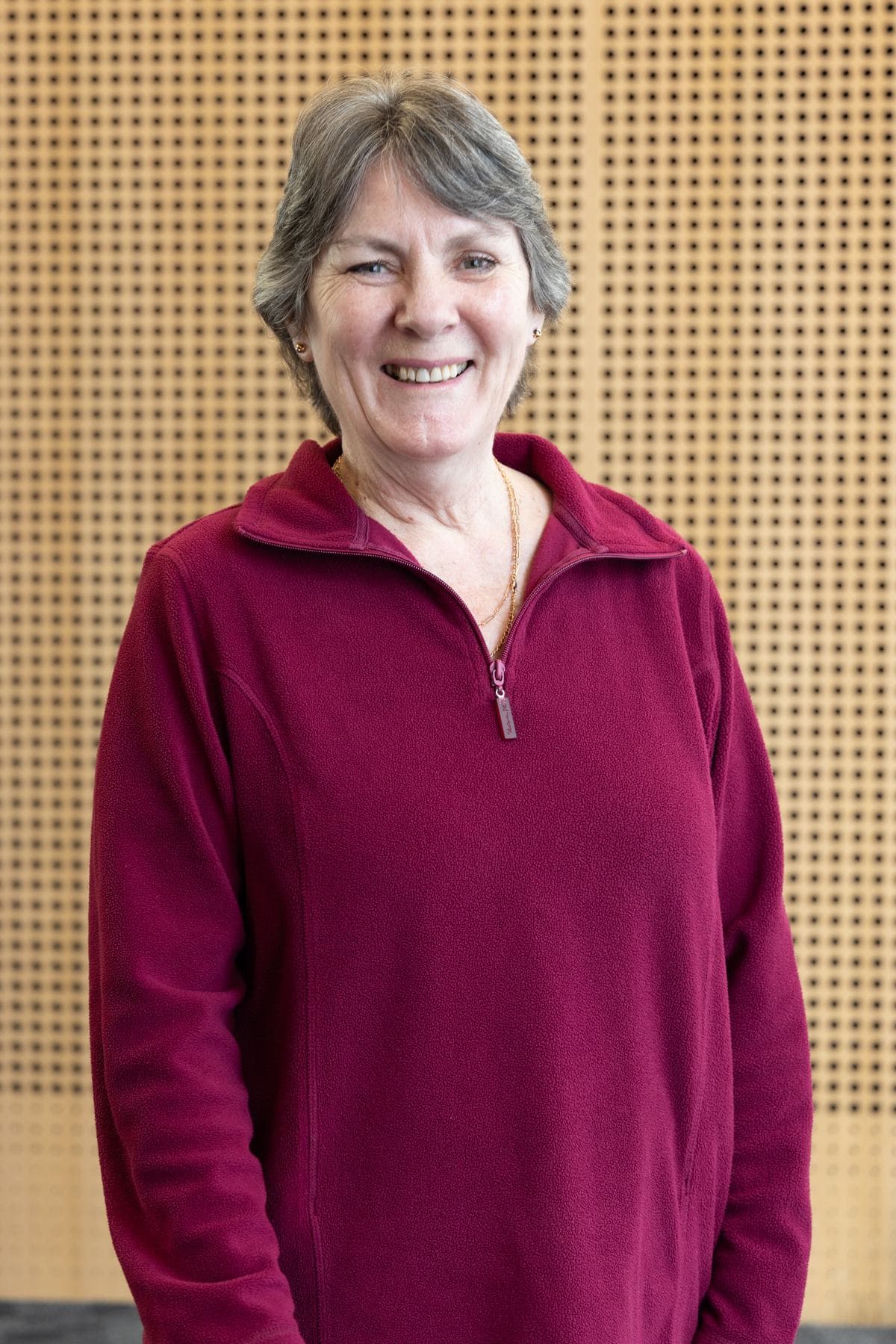
Chris Gumley began her career as a registered nurse and midwife, later working as a theatre manager and risk manager for a private hospital. During this time, Chris was diagnosed with MS. Throughout her health sector career, she served on several state and national committees relating to safety and quality in healthcare services. Since retiring, Chris has volunteered with the MS Plus Hobart office, facilitates an MS peer support group, and provides one-to-one peer mentoring. She joined the MS Research Flagship Consumer Advisory Committee in 2019, became its inaugural deputy chair in 2021, and was endorsed as chair in 2023. Chris is a member of the Flagship Steering Committee and features in lived experience videos for the Understanding MS massive open online course.
The MS-CRE is proud to acknowledge its partners and collaborators.